ANDY WARHOL
ABOUT
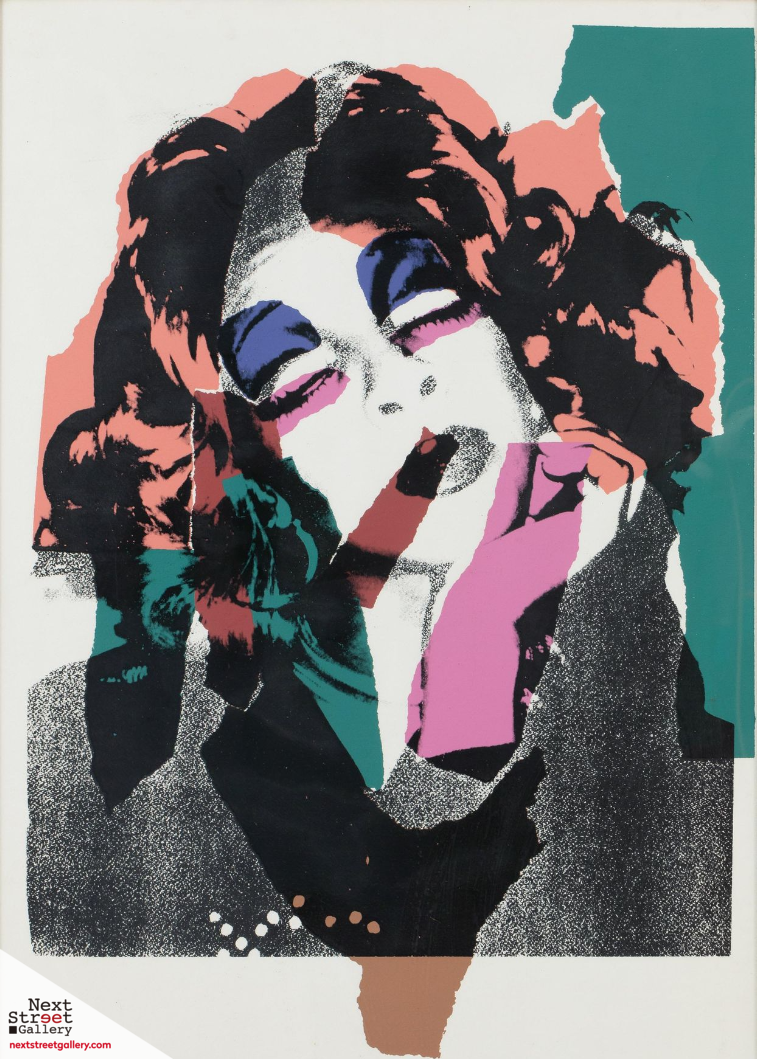
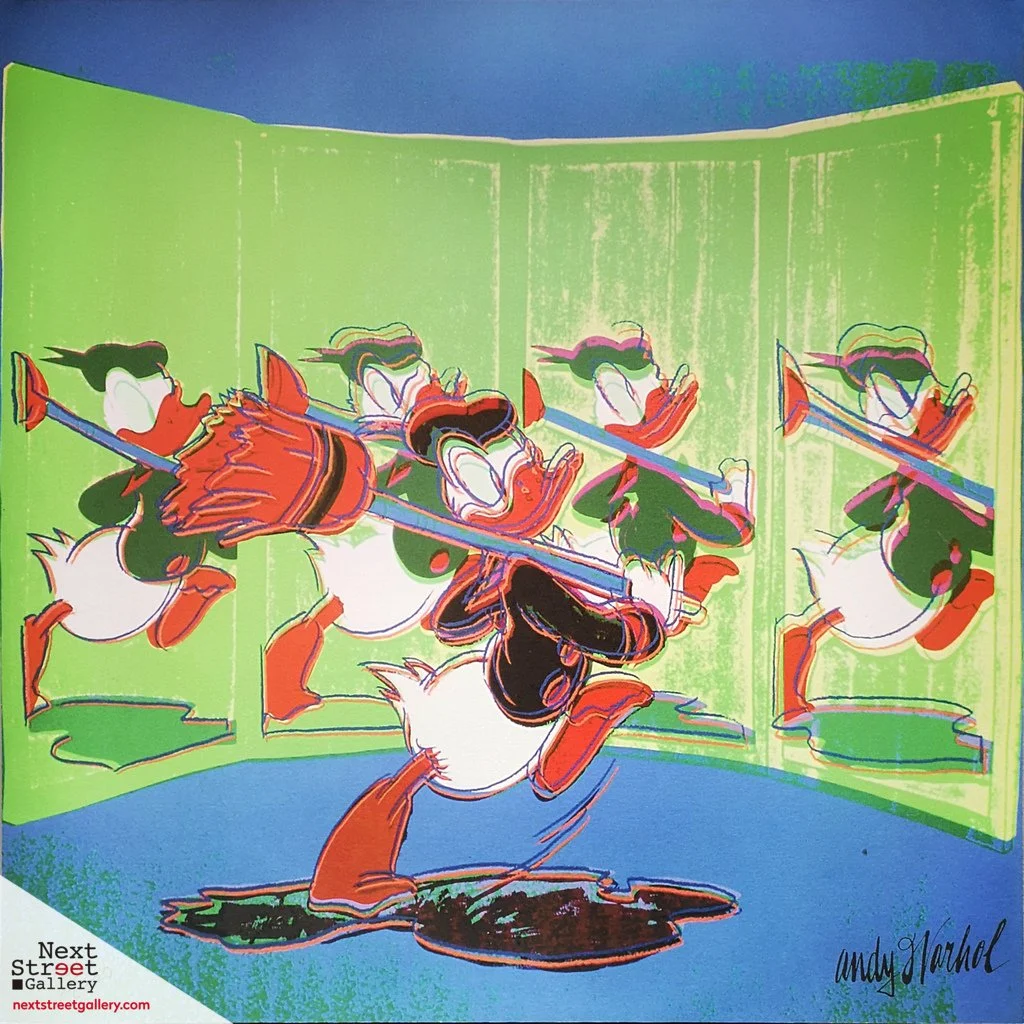
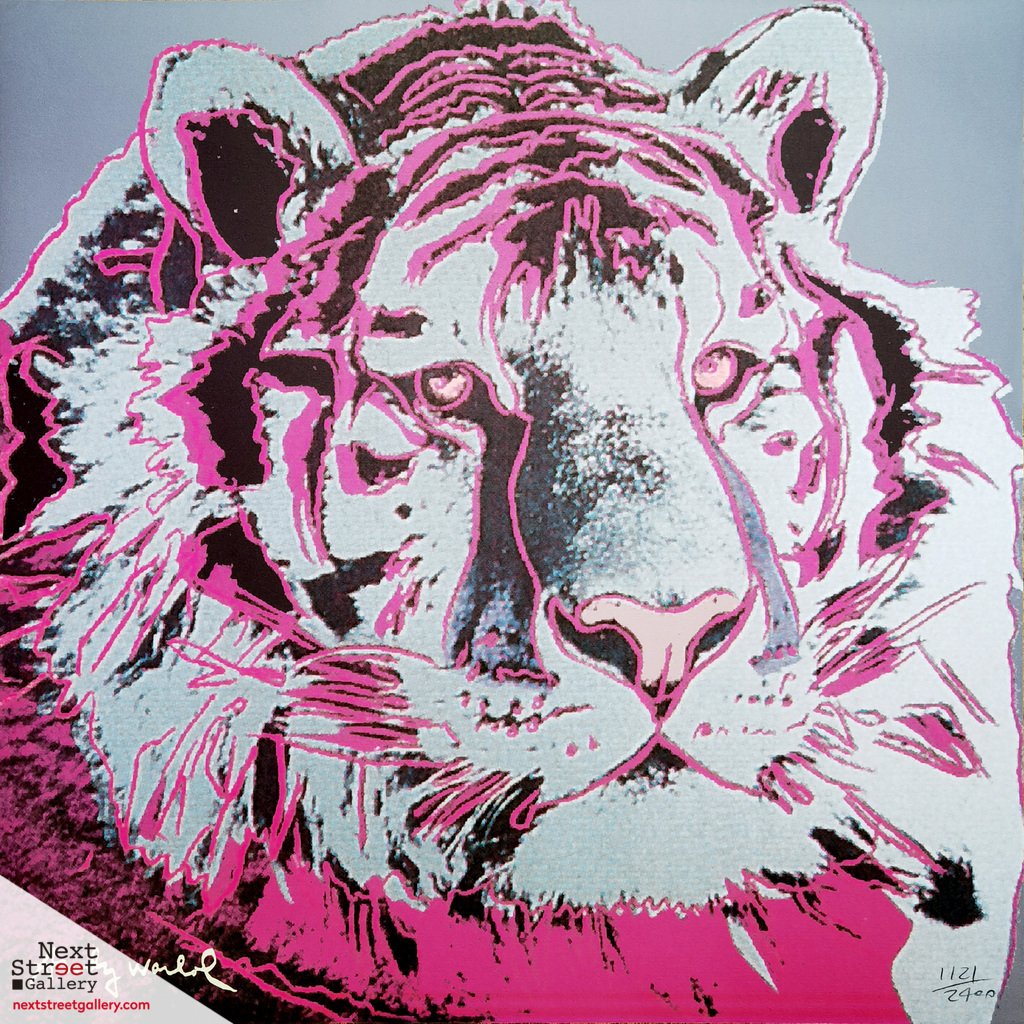
Andy Warhol (1928–1987) was an American artist and one of the central figures of Pop Art, whose work transformed the imagery of consumer culture, advertising and celebrity into some of the most recognizable images of the 20th century. Through painting, screen printing, photography and film, he challenged traditional distinctions between fine art and mass-produced visual culture.
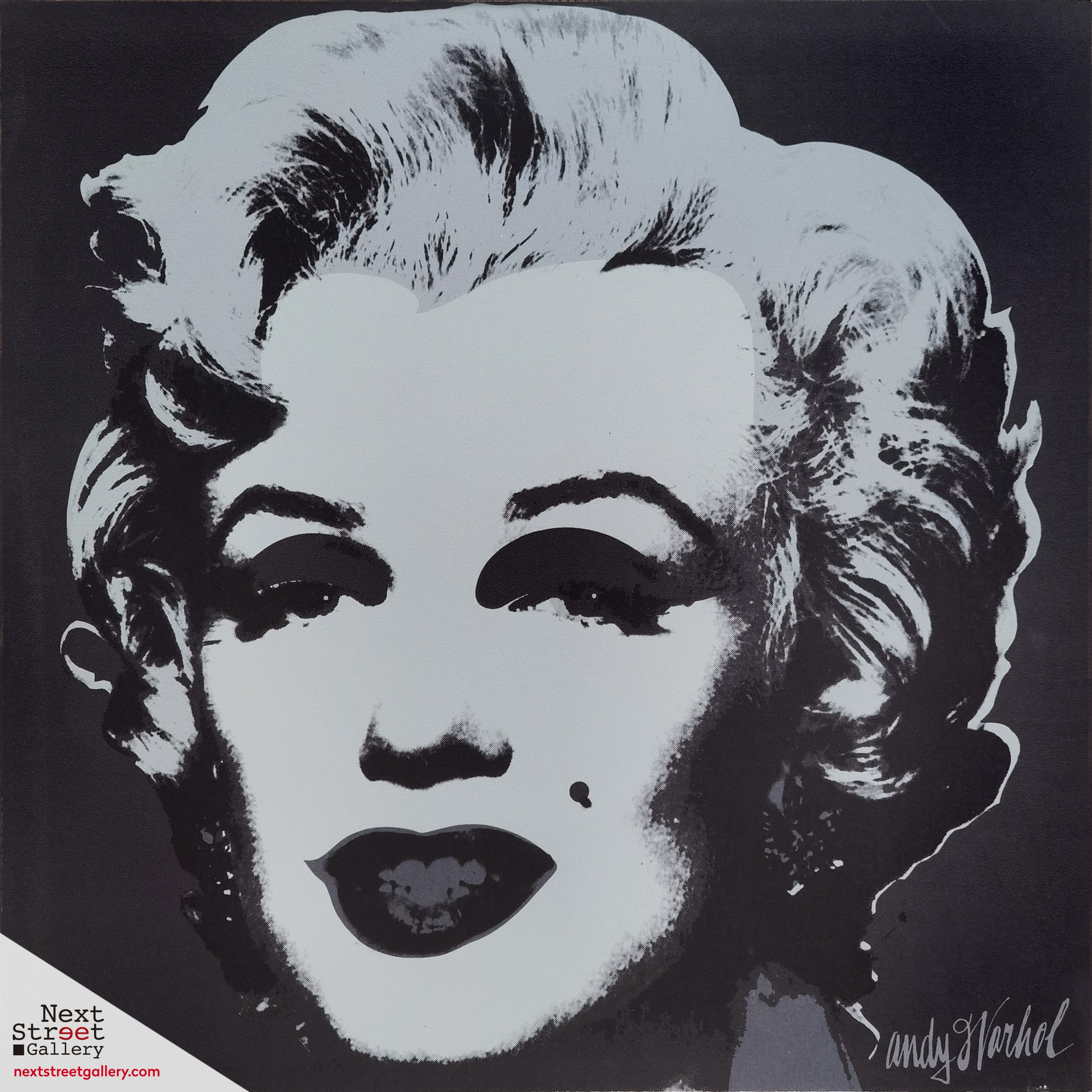
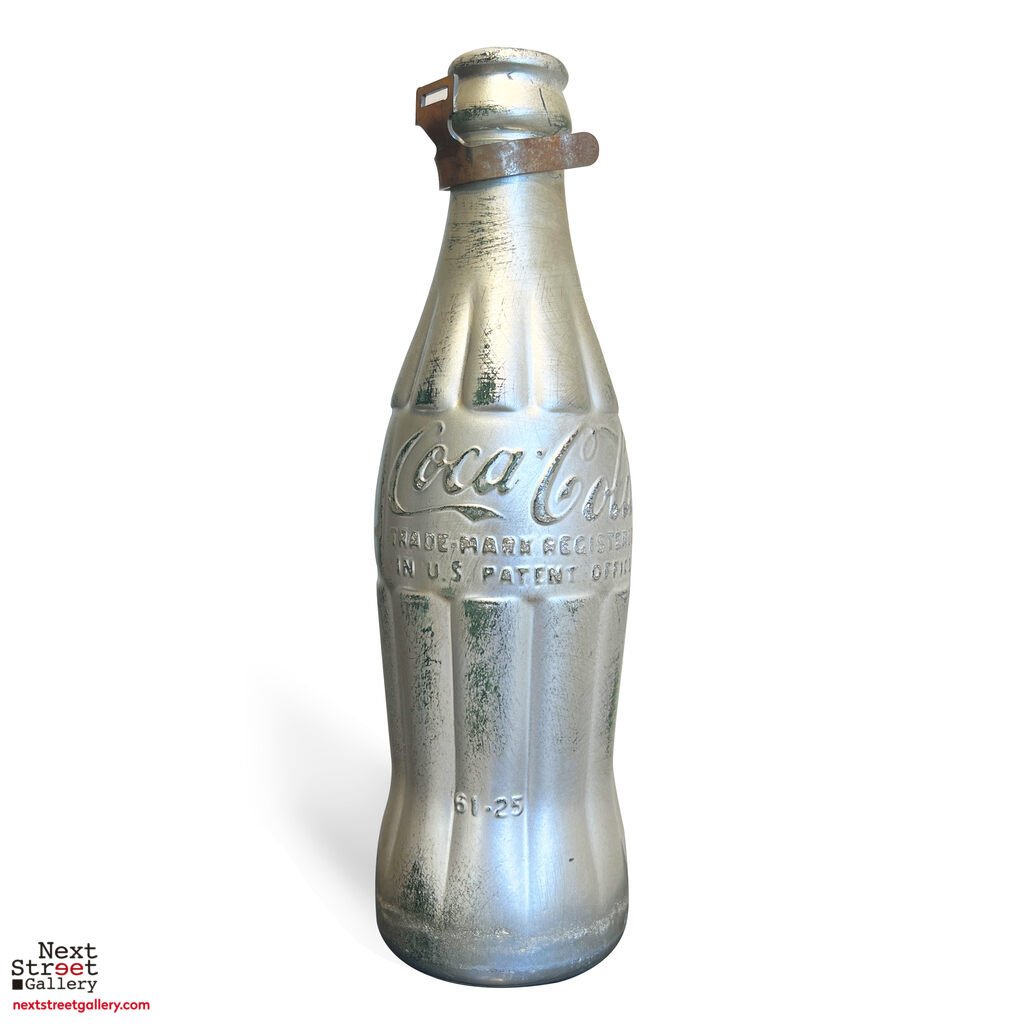
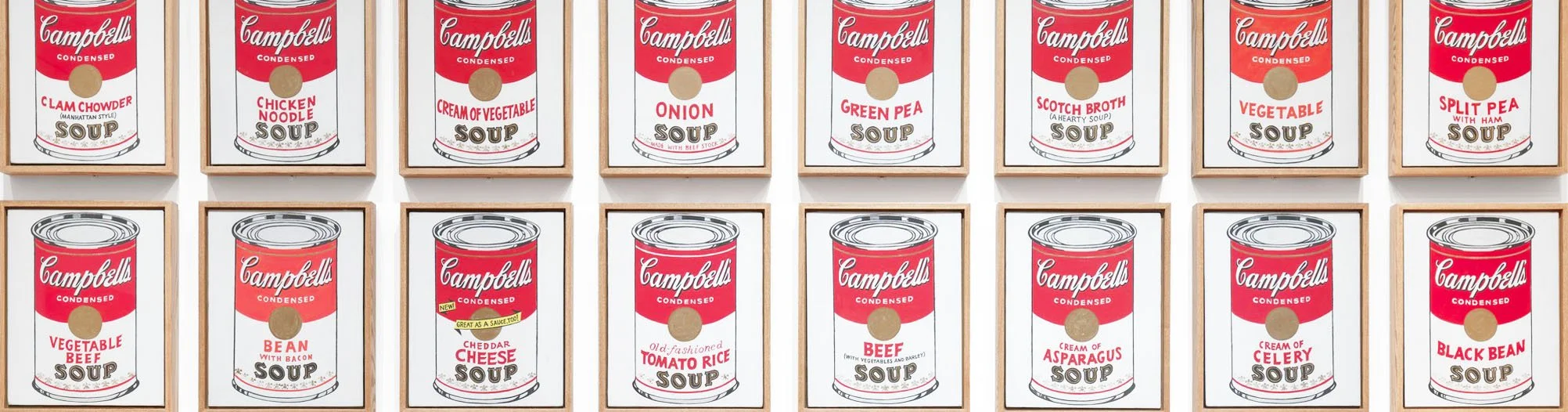
In the early 1960s, Warhol began creating works based on familiar commercial products and media images. His Campbell’s Soup Cans, Coca-Cola bottles and Brillo Boxes elevated ordinary consumer objects into subjects of art, while his portraits of Marilyn Monroe, Elvis Presley and other public figures explored the construction and repetition of celebrity imagery. Screen printing became central to his practice, allowing him to reproduce, alter and repeat images in ways that reflected the mechanisms of mass media and consumer society.
Warhol’s New York studio, the Factory, became an important meeting place for artists, musicians, writers, actors and figures of the city’s counterculture. Alongside his visual art, he produced experimental films, publications and collaborative projects, expanding his practice far beyond painting and printmaking.
By turning repetition, reproduction and celebrity into artistic subjects, Warhol fundamentally changed the relationship between art and popular culture. His influence extends across contemporary art, fashion, music and visual culture, and his work remains central to the history of postwar American art.